It's still unclear if and when the US government is going to pay out SNAP benefits for November as I write this post. I hope that's no longer the case by the time you read this.
By the way, this post will be about food and mindset around eating. I don't usually write about food, and if this isn't a topic you feel comfortable diving into, please feel free to skip this one.
SNAP, in case you're unfamiliar, is a federal program that provides monthly food assistance to low-income households to help them buy groceries. The money is loaded onto an EBT card, which can be used like a debit card at grocery stores (and farmers' markets) to purchase eligible food items.
Food is expensive these days. According to the USDA, food prices increased by 23.6% from 2020 to 2024. Around 12 percent of U.S. residents use SNAP benefits - that's 42 million people.
Amplify Respect is a newsletter to uplift and inform trans folks and allies.
If you find it helpful to learn how to talk about a trans family member, how to promote your work as an LGBTQ+ creator, or how to write about trans people respectfully, you should subscribe.
In general, trans people tend to experience more food insecurity than the general population, which is related to being more likely to be low-income, unhoused, and/or unemployed.
Researchers from UCLA using data from the U.S. Census Bureau on the Household Pulse Survey found:
Nearly five times as many transgender people of color as White cisgender people (28.2% vs 6.0%) experienced food insufficiency at some point during the summer or early fall of 2021.
Most transgender (87.7%) and cisgender (82.3%) adults reported that their inability to afford more food was the cause of insufficient food in their household. Almost twice as many transgender people as cisgender people (27.7% and 12.3%, respectively) reported other barriers to accessing food, including that they could not get out to buy food for reasons such as “didn’t have transportation, have mobility or health limitations.”
It may be very uncomfortable to go to a food pantry in person if you're a visibly queer or trans person. Many programs are run by religious organizations, some of which are not tolerant of LGBTQ+ people.
This is one benefit of SNAP - you can go to a grocery store instead of facing harassment from a religious organization to get your food. You can also select exactly the foods that you can eat and will use.

You deserve to eat
I have a tendency to think about my food in terms of how much it costs. As someone who tries to keep my expenses low, the problem is that I find myself budgeting and restricting my food intake, even if I could otherwise afford to eat more affluently.
Like any food restriction, this can be unhealthy. Self-reflection with some nuance is essential to figure out if a food limitation is contributing to well-being or is disordered eating.
You deserve to eat, whether or not you have the cash to do so comfortably.
So let's review some options!
Figuring out the food pantry
Even if you are able to go to a food pantry, it may still feel uncomfortable due to embarrassment or shame. I urge you to consider, it's okay for someone to give you free food and for you to accept it. No one is a bad person in this scenario.
Vegan or vegetarian?
Is it possible to use food pantries if you're vegan or vegetarian? Sure. It may be a little trickier. Try asking the staff (politely and with humility) if it would be possible to get a vegan or vegetarian selection of items, prompting them if needed with suggestions of vegan foods (bread, peanut butter, canned beans, rice, etc.)
Some places actually get donations of plant-based meats, hippie salads, things like that many folks don't want. So if you tell them you're vegan and interested, they may have a long list of foods that otherwise might go to waste.
If you go to a food pantry that will not select food specifically for your dietary needs, it may still be possible to pick up their standard bag of food and then distribute the items that you won't eat (like chicken or milk) to others in your community.
Other organizations serving food:
- Community fridges
- Food Not Bombs
- Buy Nothing / Nothing For Sale groups
- $2/bag or Fair Foods (local to Boston, MA)
- Community or local university events with refreshments
- Church meals
What if you don't have organizations near you that serve or give away food? Other options for getting food with no or little cash include:
- Foraging wild foods
- Picking fruit in city parks or on public land (Check out fallingfruit.org to help find fruit trees)
- Find a gardener or farm near you and see if they'll give you extra veggies or do a work-trade
- Dollar stores
- Discount shelves (or stores with discounts like Grocery Outlet)
- Credit cards
- Hosting a potluck and inviting everyone to bring a dish - quite often the host gets to keep a lot of leftovers
If you are paying for groceries on a limited budget, consider foods that have a lot of calories per dollar, like: peanut butter, pasta, dry lentils and rice, oil, hash browns, bagels, bananas, ramen, oatmeal, instant mashed potatoes
Taste is also important. Consider foods that have a lot of flavor per dollar: salt, oil, sauce packets from Taco Bell, packets from other fast food stores: salt, pepper, mustard, ketchup, soy sauce, sugar; use leftover ramen packets for flavoring other meals, peanut butter (for sauce or even broth)
If you happen to be near Portland, OR, my friend Bryan publishes a newsletter, Stumptown Savings, to help people save on their grocery costs.
Check out Stumptown Savings:
 Bryan M. Vance
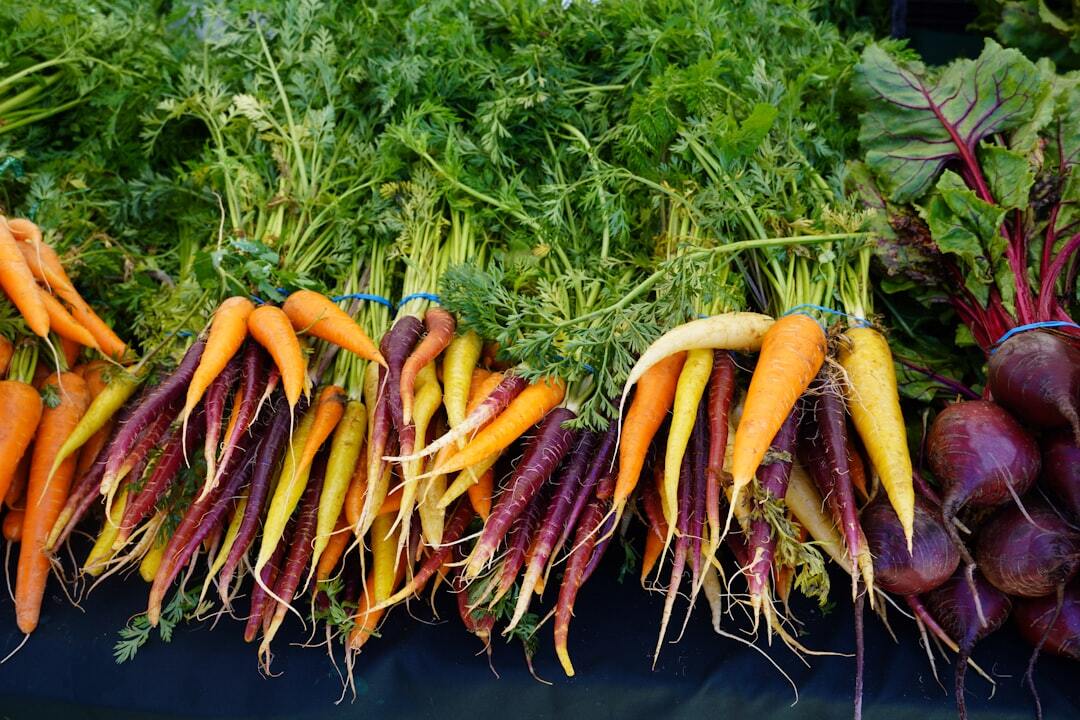
Cooking meals if you have access to a kitchen is a great way to save on costs vs. eating out all the time.
My favorite recipe sites:
Vegan Richa:

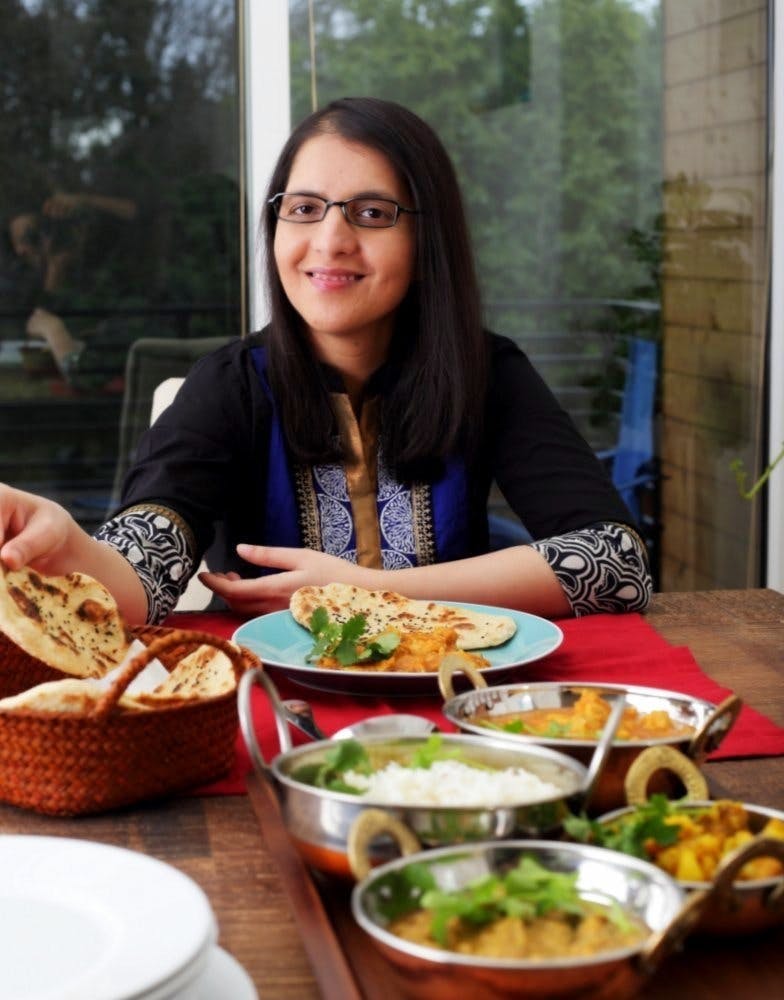
Budget Bytes:
 Jess Rice
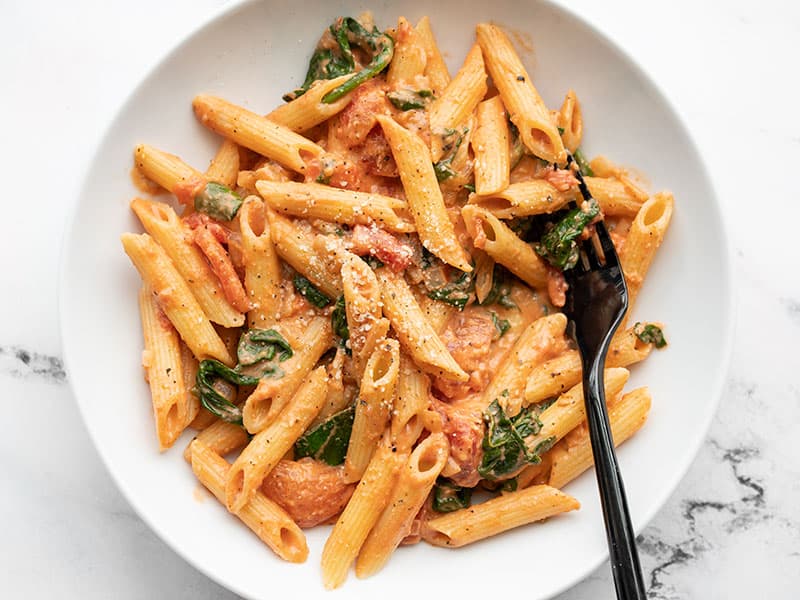
Minimalist Baker:

Organizations helping feed trans folks:
 MegEmikoArt
The Okra Project: Black Trans Led Mutual Aid

This list of resources is certainly not comprehensive - how could it be, when most organizations serving and giving food are local. I encourage you to do a little research in your area to find out who is doing this work near you.
Everyone deserves to eat, definitely including you!! I hope that you find comfort and nourishment wherever you get your food this season.
Thoughts? Suggestions? Please let us know in the comments.
Amplify Respect is a newsletter to uplift and inform trans folks and allies.
If you find it helpful to learn how to talk about a trans family member, how to promote your work as an LGBTQ+ creator, or how to write about trans people respectfully, you should subscribe.